
Live Dealer Casinos in Ontario: What to Expect and How They Work
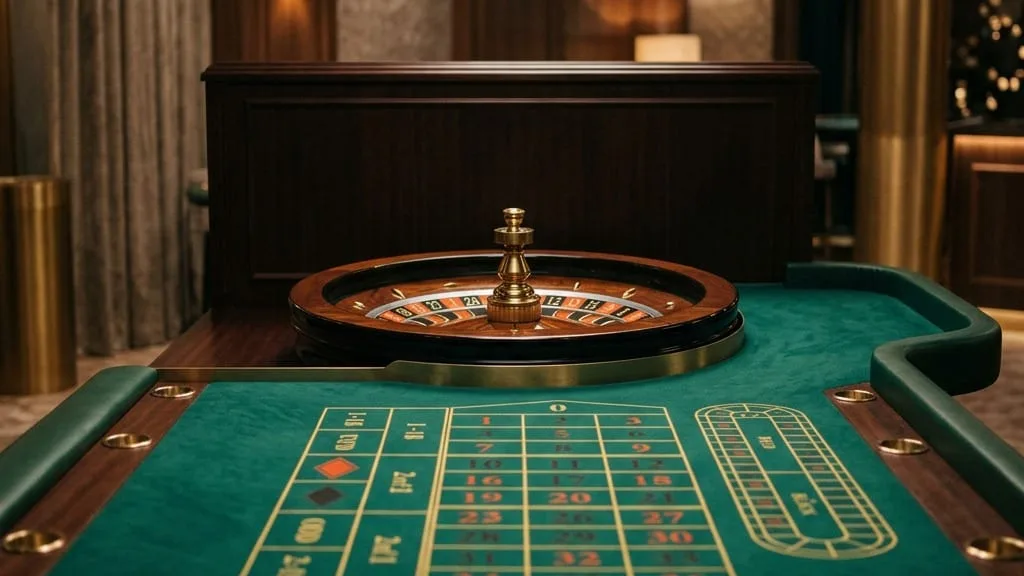
Live dealer casinos are the closest thing to standing at a real table without leaving your couch — a genuine human dealer, real cards or a real wheel, streamed to your screen in real time, with you and other players betting along. I dealt blackjack and roulette at Fallsview in Niagara for years before the live-dealer boom pulled me online, so I know exactly what separates a great live floor from a padded, glitchy one. This guide covers both halves of the modern live-casino world: the classic tables — blackjack, roulette, baccarat — and the game-show formats like Crazy Time and the Lightning games that have exploded in popularity. Here’s what to expect, what to look for, and how to play it all sensibly at an Ontario casino.
What live dealer games actually are
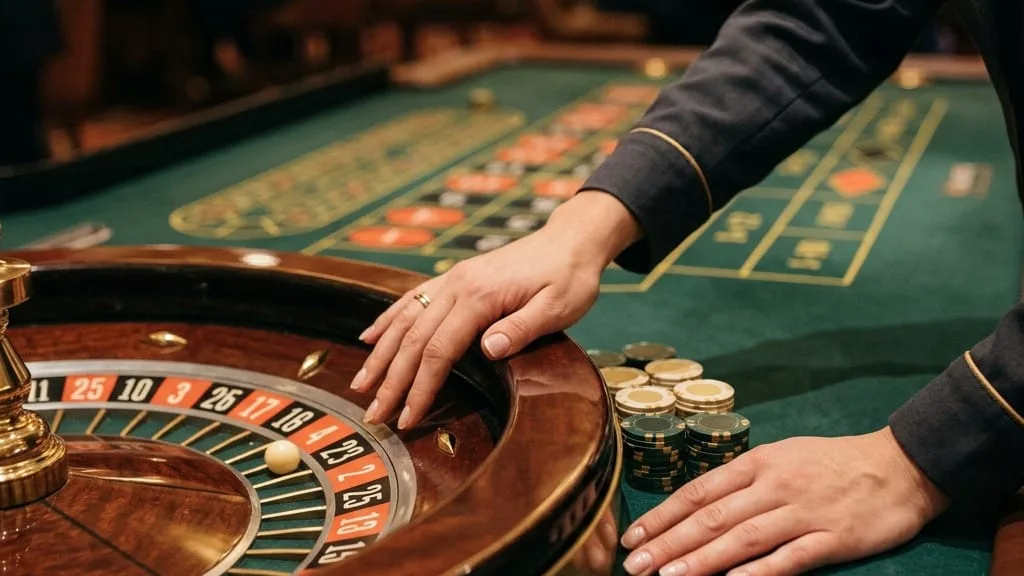
A live dealer game is exactly what it sounds like: instead of software and a random number generator running the game, a real person runs it from a studio, streamed live to you. You place your bets through the on-screen interface, the dealer deals the cards or spins the wheel in front of a camera, and the result is whatever physically happens on the table — not a computed outcome. Multiple players join the same table at once, and you can usually chat with the dealer and sometimes other players.
The appeal is trust and atmosphere. Some players never quite shake the feeling that a software game’s outcomes are hidden inside a computer; with a live dealer, you watch the card come off the shoe or the ball drop into the pocket with your own eyes. And it simply feels more like a night at a real casino — the pace, the presence of a person, the shared table. For a lot of players who grew up on physical casinos, live dealer bridges the gap that software games never quite close. Since Ontario’s market opened, the live-dealer category has grown enormously, and the quality of the best studios is genuinely impressive.
The classic live tables
The core of any live floor is the traditional table games, streamed with a real dealer. Live blackjack is the flagship — real cards, real dealer, and the same low house edge the game always offers if you play correctly, with multiple tables at different limits. Live roulette puts a real wheel and croupier on camera, often with immersive multi-angle views; as always, choose European (single-zero) tables over American for the better odds. Live baccarat brings the game’s famously low house edge on the banker bet to a streamed table, sometimes with “squeeze” formats that add ceremony to the card reveal. And you’ll find live casino poker variants — played against the house, not other players.
What makes these worth playing over their software equivalents isn’t better odds — the maths is the same — it’s the experience and the visible fairness. If you like seeing the game happen and you enjoy the slower, more deliberate pace of a real dealer, the classic live tables are where live casino earns its reputation. Play them the same way you’d play any table game: know the correct strategy, pick the fair variants, and treat the atmosphere as the bonus it is.
Game shows: the other half of live casino
The category that has genuinely transformed live casino is the game show — formats like Crazy Time, Monopoly Live, the Lightning series, and various money-wheel and dice games, hosted by an energetic live presenter in a colourful studio. They’re part casino game, part TV game show, and they’ve pulled in a huge audience of players who’d never sit at a blackjack table.
They’re genuinely entertaining, and there’s nothing wrong with playing them — but I want you to understand what they are underneath the spectacle. These are, at their core, bets on a wheel or a set of dice, dressed up with bonus rounds, multipliers, and a charismatic host. The presentation is fantastic; the underlying house edges are generally higher than the classic tables. That flashy money wheel with the big multipliers is a more expensive bet than a hand of well-played blackjack, in house-edge terms. So play game shows for the fun and the theatre — that’s their real product — but don’t mistake them for the best-value games on the floor. They’re entertainment first, and priced accordingly.
What separates a great live floor from a padded one
Having stood on the dealing side, I notice the difference between a serious live operation and a thin one immediately, and here’s what to look for. Stream quality first: a great live floor streams in crisp, stable HD with no lag or dropouts, because a frozen stream mid-hand is genuinely maddening and, worse, can leave you unsure what you’re betting into. Dealer professionalism matters too — the best studios employ well-trained, personable dealers who run the game cleanly and keep the pace right; a padded operation feels amateur.
Then there’s range and limits. A good live floor offers real variety — multiple blackjack and roulette tables, baccarat, a spread of game shows — across a range of limits, from a few dollars for casual players up to high-limit tables for bigger bankrolls. A thin one offers one or two tables and calls it a live casino. Finally, the provider matters: the best live studios come from a handful of reputable specialists, and an operator that partners with them is signalling it takes the category seriously. When I review an Ontario live floor, these are the things I test hands-on — because the marketing screenshot always looks great; the live stream at 11pm on a Saturday is the real test.
Live casino versus the real Fallsview floor
Having worked both sides, I get asked whether live casino really compares to a physical floor, and the honest answer is: it captures more than you’d expect, and misses a few things. What it captures well is the core — a real dealer, real equipment, the rhythm of a hand played by a person rather than an instant algorithm, and the small social layer of a shared table and a chat window. For the actual game, live casino is a genuinely faithful reproduction. What it misses is the room: the noise, the drink at your elbow, the friend beside you, the walk between tables. Those are real losses if the atmosphere is what you love about a casino.
But live casino also fixes some things the physical floor gets wrong. You never wait for a seat. You can leave a table mid-shoe with no awkwardness. The minimums, while higher than software, are usually lower than a busy Friday night at a physical high-limit table. And you can check the rules, the payouts, and your own strategy on a second screen without a pit boss noticing. For a disciplined player, that combination — real-dealer fairness with none of the social pressure that pushes people into bad bets — is arguably better for your bankroll than the real thing. The physical floor is designed to keep you playing; a live table you can walk away from in one click is easier to play sensibly. I say that as someone who spent years being part of that floor’s design.
How to play live casino well
A few habits make live casino both more enjoyable and less costly. Know the game before you sit down — live tables move at a real dealer’s pace, and fumbling your strategy in real time is stressful and expensive; learn blackjack basic strategy and the roulette odds before you play for real. Choose the fair variants, exactly as you would at software tables: European roulette over American, standard 3:2 blackjack over 6:5. Mind the pace and your bankroll — live tables can actually feel faster once you’re comfortable, and hands add up, so set a deposit limit before you start. And treat game shows as the entertainment spend they are: a fun flutter, not your value play.
One live-specific tip: the minimum bets on live tables are often higher than software games, because a live table has real staffing costs behind it. If you’re on a modest bankroll, check the table minimums — a software table might suit a small budget better for pure play, with live saved for when you want the atmosphere. Match the format to what you’re actually there for. And one habit I’d pass on from the dealing side: pick a dealer and table you like and stick with it rather than table-hopping for a “hot” one. Dealers don’t make the cards fall your way — the shoe is the shoe, the wheel is the wheel — and a dealer on a “hot streak” is pure coincidence with no bearing on your next hand. Chasing a lucky table just means more time betting and more exposure to the house edge. Find a table whose pace and limits suit you, and let the game be the game.
Why regulation matters more for live games
Trust matters more for live dealer games than almost anywhere else, because you’re relying on a streamed, real-time operation being exactly what it appears to be. At an AGCO-registered Ontario casino, live games are subject to the same fairness and oversight requirements as the rest of the casino, so the table you’re watching is genuinely honest and the operation is accountable. On an unregulated offshore stream, you have no such assurance — you’re trusting a video feed from an operator with no one watching over it. That’s why I’d only ever play live casino at a site you can verify on the iGaming Ontario register, the same principle behind spotting a safe Ontario casino. A live table you can’t trust is just an expensive video.
Live dealer casino FAQ
What is a live dealer casino?
A live dealer game uses a real human dealer running a real table — cards, wheel, or dice — streamed to you live, instead of software and a random number generator. You bet through the on-screen interface while the dealer deals in real time, and multiple players share the table. It’s the closest online experience to a physical casino.
Are live dealer games fair in Ontario?
At AGCO-registered casinos, yes — live games meet the same fairness and oversight requirements as the rest of the casino, so the table is genuinely honest. That assurance doesn’t exist on unregulated offshore streams, so only play live casino at operators you can verify on the iGaming Ontario register.
Are live casino game shows worth playing?
They’re genuinely entertaining, but understand what they are: bets on a wheel or dice dressed up with bonus rounds and a host, with house edges generally higher than the classic tables. Play them for the fun and theatre, not for value — a well-played blackjack hand is a far better bet in house-edge terms.
Do live dealer games have the same odds as software games?
Yes — the underlying maths is identical. Live blackjack, roulette and baccarat have the same house edges as their software versions. What you’re paying for with live is the experience and visible fairness, not better odds. Choose the fair variants (European roulette, 3:2 blackjack) exactly as you would at software tables.
Why are live table minimum bets higher?
Live tables carry real staffing and studio costs, so their minimum bets are often higher than software games. If you’re on a modest bankroll, a software table may suit pure play better, with live saved for when you specifically want the atmosphere of a real dealer.
What makes a good live casino?
Stable, crisp streaming; professional, well-trained dealers; a real range of tables and game shows across varied limits; and studios from reputable providers. A thin operation offers one or two glitchy tables. The marketing always looks good — the real test is the stream quality and range during peak hours.
See our full list of verified licensed Ontarian casinos — every casino checked against the iGaming Ontario list of registered operators.
Explore Ontario table & live sites →19+ only. Please gamble responsibly.
Free help available: connexontario.ca | Helpline: 1-866-531-2600
Related Posts